Book Appointment Now

List of Education NGOs in Tanzania: 5 to Know
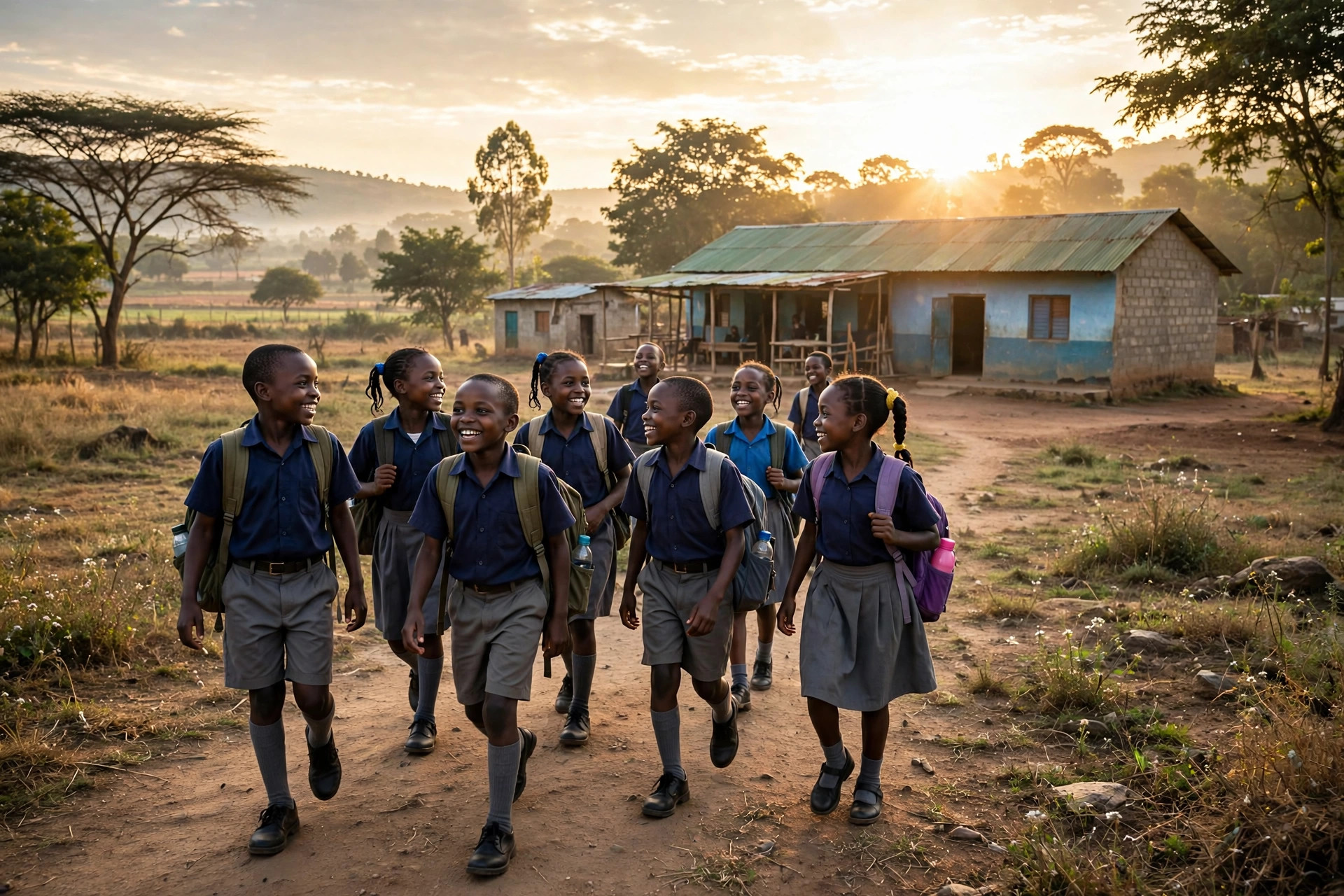
Education changes lives. In Tanzania, where classrooms can be crowded and resources scarce, non-governmental organisations play a vital part in helping children stay in school, learn to read, and build a better future. This list of education NGOs in Tanzania brings together the organisations making a real difference, from local community groups to international foundations.
Whether you are a donor looking for a trustworthy cause, a volunteer planning a trip, or a company exploring CSR partnerships, this guide will help you understand who is doing the work and how you can support them.
Understanding the Role of Education NGOs in Tanzania
Tanzania has made great progress in expanding school enrolment over the years. Millions of children now attend primary school who might not have done so a generation ago. Yet challenges remain. Many schools still face shortages of textbooks, trained teachers, and safe learning spaces. In rural areas, distance and poverty keep some children, especially girls, out of the classroom.
Why Education NGOs Matter for Tanzania’s Development
Education NGOs fill the gaps that government systems cannot always reach on their own. They build and repair classrooms, supply learning materials, train teachers, and run scholarship programs for vulnerable children. They also work at the community level, speaking with parents about the value of keeping children in school and supporting girls who might otherwise drop out.
Because NGOs often work directly with communities, they can spot problems early and respond quickly. A small organisation working in one district may know exactly which school needs new desks or which families cannot afford uniforms. Larger organisations bring funding, research, and proven teaching methods that can be adapted to local needs. Together, they strengthen the whole education system.
How NGOs Support Access to Quality Education
Access is only part of the story. Getting children into school matters, but making sure they actually learn is what counts. Education NGOs in Tanzania work on both fronts:
- Enrolment: helping out-of-school children register, supporting vulnerable families, and reducing the costs that keep children at home.
- Learning quality: training teachers, providing reading materials, and introducing better classroom methods.
- Equity: running programs focused on girls’ education, children with disabilities, and learners in remote areas.
- Transitions: helping students move from primary to secondary school and from school into work or further study.
Many organisations also combine education with health, livelihoods, and community development, because a child who is hungry, unwell, or working to support the family cannot focus on learning. This joined-up approach is one of the strengths of Tanzania’s NGO sector.
Rafiki Elimu Society (RESO): Empowering Communities Through Education Support
RESO is a Tanzanian non-governmental organisation guided by the mission of empowering communities. Education support sits at the heart of its work, alongside community health, community development, and environmental programs.
Education Programs and Community-Based Initiatives
RESO’s education work is rooted in the community. The organisation supports access to learning for children and young people who might otherwise be left behind, working with families, schools, and local leaders to find practical solutions. Its approach connects education with the wider life of the community, recognising that health, livelihoods, and a safe environment all affect whether a child can learn and thrive.
Because RESO is locally led, its programs are shaped by the people they serve. This community-based model means support goes where it is genuinely needed and stays accountable to the families involved. If you want to understand this approach in more depth, read our article on education support in Tanzania.
How Donors, Volunteers, and Partners Can Support RESO
There are several ways to get involved with RESO. Donors can support education programs through one-time or ongoing contributions. Volunteers, both Tanzanian and international, can offer their time and skills to community initiatives. Companies can explore CSR partnerships that create shared value for their business and for Tanzanian communities.
Every contribution, whether money, time, or partnership, goes toward programs designed with and for local communities. You can learn more and start the conversation through rafikielimu.or.tz.
BRAC Tanzania: Expanding Learning Opportunities for Underserved Communities
BRAC is one of the largest development organisations in the world, and its Tanzania programs include work in education and youth development. The organisation is known for reaching people in hard-to-serve areas with practical, low-cost programs.
Focus Areas and Education Programs
In Tanzania, BRAC’s education-related work has included early childhood development, learning support for school-aged children, and programs aimed at young people and adolescents. Its approach typically combines education with livelihood skills and community engagement, helping young people gain both knowledge and the means to use it.
BRAC generally works through community-based structures, which means its programs are delivered close to the people they serve. This grassroots delivery model has made it possible to reach underserved communities across the country.
Ways to Collaborate and Contribute
BRAC partners with governments, funders, and other organisations to scale its programs. Individuals and companies interested in supporting its Tanzania work can explore partnership and funding opportunities through its official channels.
Room to Read Tanzania: Improving Literacy and Girls’ Education
Room to Read is an international non-profit organisation focused on two areas: literacy and girls’ education. It works with schools and communities to help children, especially in the early primary years, develop strong reading skills.
Literacy Development and School Support Programs
Room to Read’s literacy work centres on helping young children learn to read. This typically involves working with teachers on reading instruction methods, helping schools build or stock libraries, and providing age-appropriate reading materials in local languages.
Its girls’ education work supports adolescent girls to stay in school and complete their education, combining material support with mentoring and life skills. The organisation generally works in partnership with education authorities so that its methods can be integrated into the wider school system.
Partnership Opportunities for Global Supporters
Room to Read works with a global network of donors, corporate partners, and local supporters. Those interested in literacy and girls’ education in Tanzania can explore ways to contribute through its official fundraising and partnership channels.
Aga Khan Foundation Tanzania and Other International Education NGOs
The Aga Khan Foundation is part of the Aga Khan Development Network and has a long history of work in East Africa, including Tanzania. Its programs span education, health, rural development, and civil society, often taking a long-term, area-based approach in the regions where it works.
Community Development and Education Initiatives
The foundation’s education work in the region has generally focused on strengthening school systems, supporting teachers, and improving learning outcomes, particularly in the early years. Its broader development programs mean education is often delivered alongside health, economic development, and infrastructure support in the same communities.
This integrated approach reflects the understanding that education outcomes improve when families are healthier and more economically secure. The foundation typically works in partnership with government institutions and local organisations.
Supporting Long-Term Education Projects in Tanzania
International foundations like the Aga Khan Foundation tend to commit to regions for many years, which allows education programs to mature and show lasting results. Donors and partners interested in long-horizon education work in Tanzania can look at such foundations’ official programs and partnership opportunities.
Beyond these larger names, several other international education NGOs operate in Tanzania, each with its own focus, from teacher training to school construction to digital learning. The best way to assess any of them is to review their published program information and track record.
Local and Community-Based Education NGOs Making an Impact in Tanzania
While international organisations bring scale and funding, Tanzania’s own community-based organisations bring something equally valuable: deep local knowledge and lasting presence. Dozens of Tanzanian NGOs work on education at the district and village level.
Grassroots Organizations Supporting Schools and Learners
Local education NGOs do the hands-on work that national statistics often miss. They identify out-of-school children in their communities and help them enrol. They run after-school reading clubs, distribute uniforms and supplies, mediate with parents who need convincing that school is worth the cost, and advocate with local authorities for better school facilities.
Because they live and work in the communities they serve, grassroots organisations can adapt quickly. When a flood damages a classroom or a family crisis threatens a child’s schooling, a local NGO is often the first to respond.
Why Community-Based NGOs Are Important for Sustainable Change
Sustainable change comes from within communities, not from outside them. Community-based organisations build local ownership of education: parent committees, trained local volunteers, and young people who grow up seeing education valued. When external funding ends, the relationships and structures these organisations build can continue.
Supporting a local NGO like RESO means your contribution works through people who understand the community’s language, culture, and priorities. For donors who care about long-term impact, that local connection is a genuine advantage.
How to Choose the Right Education NGO in Tanzania to Support
With so many organisations doing good work, choosing where to give your money, time, or partnership can feel difficult. A few practical checks will help you decide with confidence.
Evaluating Programs, Transparency, and Impact
- Registration and legitimacy: Check that the organisation is registered in Tanzania and can share basic information about its governance.
- Clear programs: Look for specific, well-described programs rather than vague promises. The organisation should be able to explain what it does, where, and for whom.
- Transparency: Reputable NGOs publish information about how funds are used and share updates on their work.
- Local presence: Organisations with staff and offices in the communities they serve tend to be more accountable.
- Realistic claims: Be cautious of any organisation promising dramatic results or guaranteed outcomes. Honest NGOs talk about challenges as well as successes.
Take time to read an organisation’s website, annual summaries, and program descriptions. If something is unclear, ask. A trustworthy NGO will welcome the questions.
Finding Volunteer, Donation, and CSR Partnership Opportunities
Different organisations offer different ways to get involved. Some run structured volunteer programs with clear roles and support. Others welcome skilled volunteers, such as teachers, health workers, or communications professionals, on a flexible basis. Companies can usually find partnership options ranging from one-time sponsorships to multi-year CSR collaborations.
Start by identifying what matters most to you: a particular region, girls’ education, literacy, or teacher training, for example. Then shortlist organisations working in that area and contact them directly to discuss how you can help.
Ways International Donors and CSR Partners Can Support Education NGOs in Tanzania
Support for education NGOs in Tanzania comes in many forms, and each has its place. The right choice depends on your resources, your goals, and the kind of relationship you want with the cause.
Funding Education Projects and Scholarships
Direct funding remains the most straightforward way to help. Donations can support specific projects, such as building a classroom or stocking a school library, or provide general support that lets an NGO respond to changing needs. Scholarship funding helps individual students, particularly at the secondary level where costs rise, stay in school.
If you are considering a larger gift, ask the organisation how it measures results and how it will report back to you. Good NGOs will have clear answers. For practical guidance on giving safely, see our guide on how to donate to charity in Tanzania. You might also consider sponsoring a child’s education, which creates a personal connection between donor and learner.
Volunteering and Building Strategic Partnerships
Time and expertise can be as valuable as money. Teachers can help train local educators. Health professionals can support school health programs. Communications specialists can help small NGOs tell their stories. Companies can go further by building strategic partnerships that combine funding, employee volunteering, and shared learning over several years.
Whatever form your support takes, the strongest partnerships are built on mutual respect, clear expectations, and a shared commitment to the community’s own goals.
List of Education NGOs in Tanzania: Frequently Asked Questions
What are the best education NGOs in Tanzania to support?
The best organisation for you depends on what you care about. International organisations like BRAC, Room to Read, and the Aga Khan Foundation bring scale and established programs. Local organisations like RESO bring deep community roots and local accountability. Consider the cause area, the region, and the type of involvement you want, then evaluate shortlisted organisations on transparency, programs, and local presence.
How can I donate to education NGOs in Tanzania?
Most NGOs accept donations through their websites, bank transfers, or mobile money. International donors should check which payment methods an organisation supports and confirm how donations are received and acknowledged. Always verify the organisation’s legitimacy before sending money, and keep records of your contributions.
Can international volunteers work with education NGOs in Tanzania?
Yes. Many education NGOs in Tanzania welcome international volunteers, particularly those with teaching, health, or professional skills. Requirements vary: some programs need a minimum time commitment, others are flexible. Check visa requirements, costs, and what support the organisation provides before you commit.
How do I partner with an education NGO in Tanzania?
Start by contacting the organisation directly with a clear idea of what you can offer, whether funding, skills, or a corporate partnership. Ask about their current priorities and how a partnership would work in practice. A good partnership begins with listening: the NGO knows its community’s needs better than anyone.
Education in Tanzania is a shared effort, and every organisation on this list plays its part. If you would like to support community-led education work directly, we invite you to explore partnership and donation opportunities with Rafiki Elimu Society. Together, we can help more children in Tanzania learn, grow, and shape their own futures.
This list of education NGOs in Tanzania is a starting point. For one international example in depth, see Room to Read.