Book Appointment Now

Community Health Programs Tanzania: How They Work
In many rural villages across Tanzania, the nearest health facility can be a long walk away. When a child develops a fever in the night, or an expectant mother needs advice about her pregnancy, professional help may be hours from the doorstep. This is the everyday reality that community health programs in Tanzania are working to change.
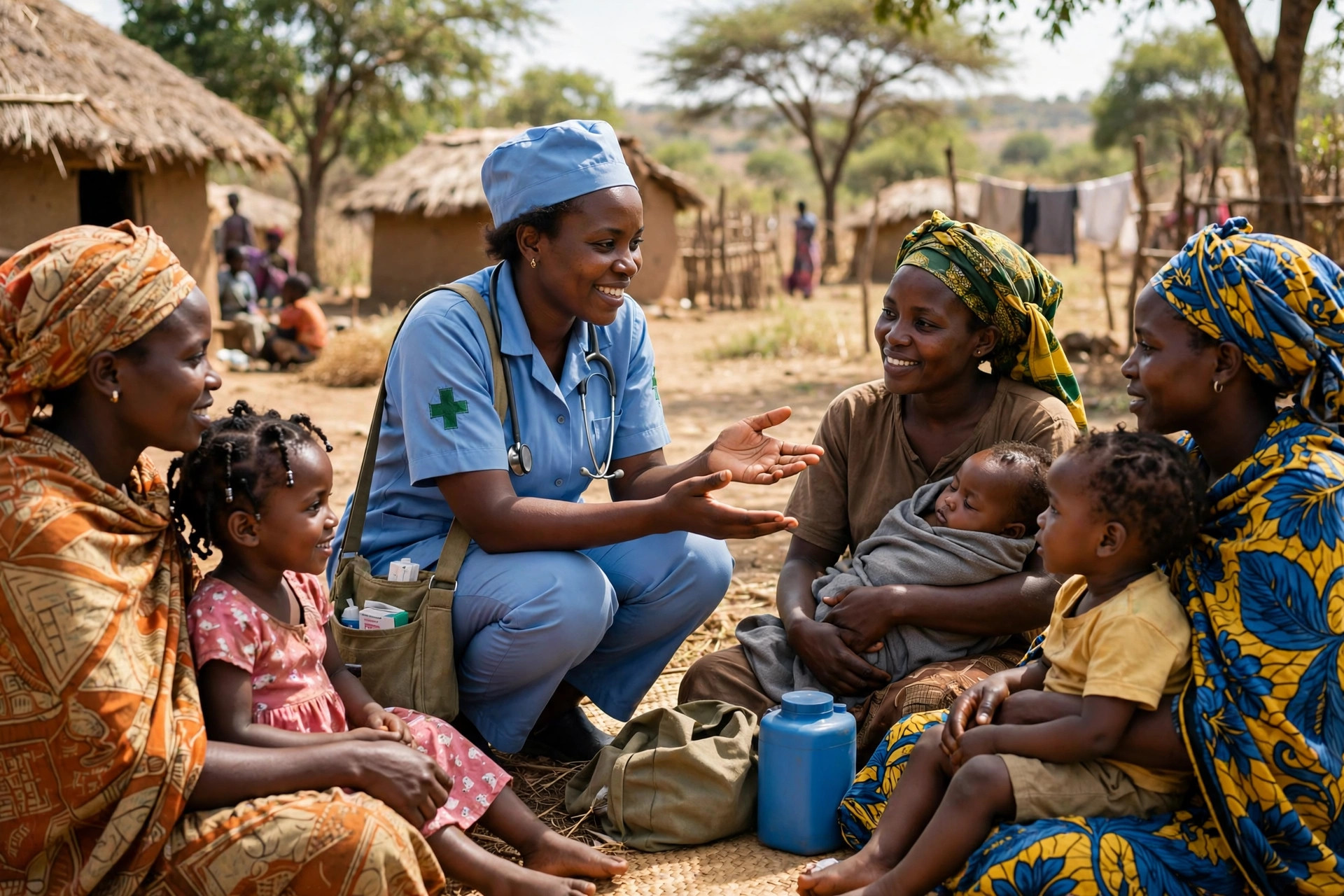
Rather than waiting for illness to become an emergency, these programmes bring health knowledge, basic services and prevention directly into villages. Trained local health workers visit households, run awareness campaigns and connect families with the care they need before small problems grow into serious ones.
What makes them work is a simple shift: education, preventive care, and maternal and child health support delivered by trained local workers, through partnerships designed to last. Here is a clear picture of what these programmes do and why they matter. Please note that this article offers general public-health information only. For personal health questions, always consult a qualified health professional.
Understanding the Impact of Community Health Programs in Rural Tanzania
The idea behind community health programmes is simple but powerful. Instead of relying only on hospitals and clinics, which are often far from rural homes, health support is delivered by people who live in the community itself. These local health workers speak the same language, understand local customs and are trusted by their neighbours. That trust is the foundation of everything else.
When health workers visit households regularly, several things change. Families learn the warning signs of illness earlier. Children are more likely to complete their vaccination schedules because someone reminds the parents and follows up. Pregnant women are encouraged to attend antenatal check-ups. Clean water, sanitation and nutrition become part of everyday conversation, not just advice heard once at a clinic.
The impact goes beyond medicine. When people are healthier, children attend school more regularly, adults can work more consistently, and communities become more resilient in the face of hardship. Health is connected to almost every other part of development, which is why community health programmes are often designed alongside community development work rather than in isolation.
Why Community Health Education Is Changing Health Outcomes in Tanzania
Knowledge is one of the most powerful tools in public health. In communities where formal health services are limited, knowing how illness spreads, how to prevent it and when to seek help can make the difference between a minor problem and a tragedy. This is why education sits at the very heart of community health programs in Tanzania.
Health literacy is not about medical training. It is about practical, everyday understanding: why clean water matters, how to store food safely, what to do when a baby has diarrhoea, and which symptoms mean a clinic visit cannot wait. When this knowledge spreads through a village, the whole community becomes safer.
Empowering Villages Through Local Health Awareness Campaigns
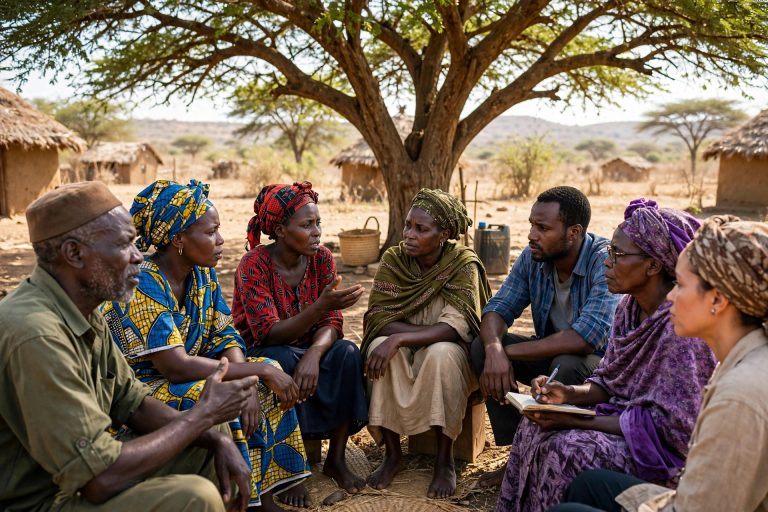
Health awareness campaigns take many forms. There are community meetings held under a tree, door-to-door visits by health workers, health clubs in schools, and group discussions for mothers. Some programmes use drama, songs or storytelling to carry health messages, which makes them memorable and enjoyable for all ages.
Because the sessions happen in the village and in familiar language, people ask questions freely and the advice feels relevant rather than distant. Campaign topics often reflect what the community actually needs. One village may focus on safe water storage during the dry season. Another may concentrate on handwashing before meals or on preparing for safe deliveries. When communities help choose the topics, attendance is higher and the behaviour change lasts longer.
Schools play a special role here. Children who learn about hygiene and nutrition at school carry those lessons home, and in this way a single classroom can influence dozens of households. Teachers and health workers often collaborate on school health activities, creating a bridge between education and health that benefits everyone.
Improving Knowledge About Hygiene, Nutrition, and Disease Prevention
Simple practices have an enormous effect on community health. Handwashing with soap, using clean drinking water, keeping food covered, and disposing of waste safely are habits that reduce the burden of common illnesses. Health workers demonstrate these practices rather than only describing them, which helps families adopt them with confidence at home.
Nutrition is another cornerstone of the work. Health workers explain how diverse local foods support children’s growth, and they share national guidance on breastfeeding in the early months of life. They teach families how to prepare balanced meals from foods that are already available and affordable in the area, and they talk about recognising the early signs of malnutrition so that families can act in time.
It is important to remember that this is general public-health information. Every family is different, and anyone with specific concerns about their own health or their child’s health should speak with a qualified health professional or visit their nearest health facility.
The Role of Preventive Care in Strengthening Rural Healthcare Systems
Treatment matters, but prevention is what keeps communities healthy day after day. Community health programs in Tanzania emphasise catching problems early, when they are easiest, cheapest and least frightening to address. A problem spotted during a routine household visit rarely becomes the emergency that would have required a difficult journey to a distant hospital.
This preventive focus also strengthens the wider health system. Clinics and hospitals work best when they receive patients at the right time: not too late, when conditions have worsened, and not for problems that could have been prevented. By handling education, follow-up and basic screening at the community level, health workers free up facility staff to concentrate on the cases that truly need their expertise.
Expanding Access to Screenings, Vaccinations, and Early Intervention
Mobile outreach and regular household visits make it far easier for families to keep up with vaccinations, growth monitoring for young children and basic health screenings. Health workers keep simple records, remind parents of immunisation dates and follow up when a child misses an appointment. These small acts of follow-up are quietly one of the most effective things community health programmes do.
Early intervention is equally important. A health worker who notices a child’s slow growth, a persistent cough or a wound that is not healing during a routine visit can refer the family to a clinic while the problem is still manageable. Referral is a key part of the model: community workers do not replace doctors and nurses, they connect people to them. These referral pathways link the community level with the formal health system, making the whole system work better for everyone.
Improving Maternal and Child Health Through Community-Based Support
The health of mothers and young children is one of the clearest measures of a community’s wellbeing. Community health programs in Tanzania give this area special attention because the right support at the right time makes an extraordinary difference for both mother and child.
Pregnancy, birth and the early years of life are periods of particular vulnerability, but they are also periods when timely information and care have the greatest effect. A mother who understands danger signs during pregnancy, who delivers with skilled help and who knows how to feed and protect her newborn gives her child the strongest possible start.
Supporting Safer Pregnancies and Healthier Birth Outcomes
Health workers encourage expectant mothers to attend regular antenatal check-ups, where trained professionals can monitor the pregnancy and identify risks early. They also share practical guidance on nutrition during pregnancy, the importance of rest, and preparing for the delivery well in advance.
Just as important is the message about where to give birth. Community health workers advise families about the benefits of delivering at a health facility with skilled attendants, and they help families plan for transport and costs in advance. Birth preparedness plans, made calmly during pregnancy, remove the last-minute panic that too often leads to emergencies. Families are also taught to recognise warning signs during pregnancy and labour so they know when to seek help urgently.
Protecting Children Through Nutrition and Preventive Health Initiatives
In the early years, growth monitoring, immunisation and good nutrition set the foundation for a child’s entire life. Health workers track children’s growth at regular intervals, promote breastfeeding in line with national health guidance, and teach families how to prepare balanced meals from locally available foods.
They also teach parents to recognise danger signs: a baby who is not feeding well, a child with persistent diarrhoea or vomiting, or a fever that does not break. Knowing these signs and understanding when a clinic visit is urgent is among the most valuable things community health education provides. Combined with complete vaccination schedules and good hygiene at home, these practices give children far better protection against the illnesses that most commonly threaten young lives.
How Local NGOs Like Rafiki Elimu Society Drive Sustainable Health Solutions
Government health systems do essential work, but in many areas they are stretched thin, with limited staff and resources to reach every village. Local non-governmental organisations fill crucial gaps by bringing extra reach, flexibility and community trust to health work.
Rafiki Elimu Society includes community health among its core programmes, alongside education support, community development and environmental action. Its approach is deliberately community-led: working with local leaders, involving community members and building on what already exists in the village rather than imposing solutions from outside.
This local presence matters enormously. An organisation rooted in the community understands seasonal challenges, local beliefs about health and the practical barriers families face, such as transport costs or harvest-time workloads. Programmes designed with that understanding are far more likely to be accepted, used and sustained. Sustainability is the real test of any health initiative, and community ownership is what passes it.
Building Stronger Communities Through Local Health Workers and Partnerships
At the centre of every community health programme are the health workers themselves. They are often community members, sometimes volunteers, who receive training in basic health knowledge, referral procedures and communication skills. They learn how to conduct household visits, keep simple records, run group discussions and recognise when a situation needs professional attention.
Their greatest strength is trust. A neighbour who visits every month, listens without judgement and follows up on promises earns a credibility that no poster or radio message can match. Over time, health workers become the first point of contact for health questions in the village, and families turn to them naturally.
Partnerships multiply this effect. NGOs work with local government health offices, schools, faith groups and community organisations so that health messages reach people through many trusted channels. Schools carry health lessons into homes through children. Faith and community leaders lend their authority to campaigns, which encourages wider participation. When many voices in a community share the same health message, behaviour change becomes the norm rather than the exception. If you would like to contribute your own time and skills to this kind of work, our guide on volunteering in Tanzania explains how to get started responsibly.
Why International Donors and CSR Partners Support Community Health Programs Tanzania
For donors and companies looking to make a genuine difference, community health is one of the most effective areas to support. Preventive health work delivers lasting results: healthier children, stronger families and communities that can invest their energy in education and livelihoods instead of recovering from preventable illness.
Support takes many forms. Some donors fund the training of community health workers. Others help with outreach costs, educational materials or transport for referrals to clinics. Corporate partners can align their social responsibility goals with health initiatives, for example by supporting campaigns in the regions where they operate or where their employees live.
What makes community health programmes attractive to partners is their combination of visible impact and sustainability. Trained health workers remain in their villages long after a particular project ends, and the knowledge they share keeps working for years. Support also tends to be cost-effective, because prevention and early action cost far less than emergency treatment. Anyone considering support can learn about safe and effective giving in our guide to donating to charity in Tanzania.
The Future of Community Health Programs in Rural Tanzania
The direction of travel is encouraging. Community health is increasingly recognised as an essential part of the health system rather than an optional extra. Simple digital tools are beginning to help health workers record household visits and follow up more reliably. Partnerships between NGOs, government health offices and communities continue to deepen, and the community-led model keeps proving its worth.
Challenges remain, of course. Funding is never certain, remote areas are hard to reach, and health workers need ongoing training, supervision and recognition to keep doing excellent work. Climate pressures, from drought to flooding, also affect health through water, food and disease patterns, which is why health work increasingly connects with environmental action.
But the model itself has proven its value. When communities are empowered with knowledge and supported by trained local workers, health outcomes improve and the change lasts. The future of rural health in Tanzania will be built village by village, visit by visit, conversation by conversation.
Frequently Asked Questions About Community Health Programs Tanzania
What Are Community Health Programs in Tanzania?
Community health programmes are organised efforts that bring health education, basic services and preventive care directly to communities, especially in rural areas. They are typically delivered by trained local health workers who visit households, run awareness campaigns and refer families to clinics when professional care is needed.
How Do Community Health Programs Help Rural Communities?
They help by preventing illness before it starts, catching health problems early and connecting families with the formal health system. Regular household visits, vaccination follow-ups, nutrition guidance and maternal health support all contribute to healthier, more resilient communities.
How Can Donors, Volunteers, and CSR Partners Support Health Programs in Tanzania?
Donors can fund training, outreach and materials for community health work. Volunteers with relevant skills can support health awareness activities through local NGOs. Companies can partner with organisations like Rafiki Elimu Society to align their social responsibility goals with community health initiatives.
If this picture of community-led health inspires you, consider supporting the work. Visit rafikielimu.or.tz to learn about current community health initiatives and how your donation or partnership can help more villages access the health knowledge and care they deserve.
Find out more about our community health work in Tanzania.
Useful resource: the World Health Organization in Tanzania publishes health data and programme updates.