Book Appointment Now

Volunteer in Tanzania: 10 Things to Know
Volunteering in Tanzania can be one of the most rewarding decisions you ever make. Every year, thousands of people travel to this East African nation to support schools, health outreach efforts, community projects and conservation work. But a successful volunteer journey starts long before you board the plane. If you plan to volunteer in Tanzania, you need to understand how ethical programmes work, what travel preparation is involved, what it will cost, and how to respect the communities you hope to serve.
Whether you are a student on a gap year, a professional on a career break, or a retiree looking to give back, ten practical decisions will shape your trip: the visa you apply for, what the programme really costs, how to stay safe and healthy, and how to tell a responsible placement from a tourist trap.
Why Volunteer in Tanzania? Understanding the Impact and Experience
Tanzania is a country of remarkable warmth and community spirit. From the bustling streets of Dar es Salaam to the villages of the interior, visitors are struck by how deeply people value togetherness and mutual support. This spirit, captured in the Swahili saying “umoja ni nguvu” (unity is strength), runs through every community project in the country.
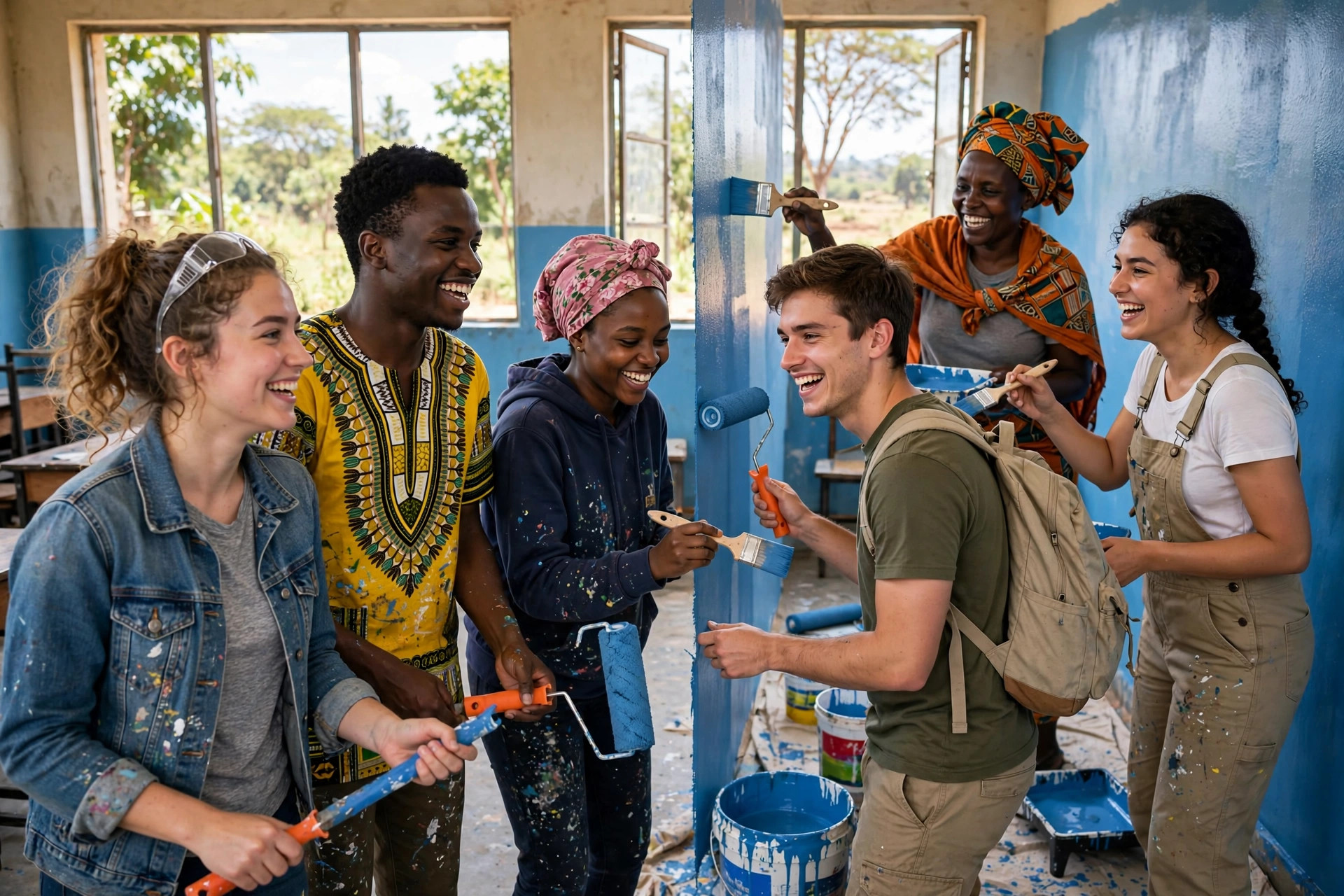
When you volunteer in Tanzania, you step into this world of collective effort. You might help a teacher manage a crowded classroom, support a health awareness campaign in a rural village, or assist with tree planting to combat soil erosion. The impact runs in both directions: communities benefit from your time and skills, while you gain a deeper understanding of a different way of life, learn basic Swahili, and build friendships that often last for years.
Volunteering also teaches patience and humility. Progress in community work is rarely dramatic. It comes from showing up consistently, listening more than speaking, and accepting that local people understand their own needs better than any visitor ever could. The volunteers who make the greatest difference are those who arrive with open minds rather than ready-made solutions.
There is also a personal reward that goes beyond the work itself. Many volunteers describe their time in Tanzania as a turning point: a chance to step out of routine, reflect on what matters, and return home with fresh perspective. Weekends offer the chance to explore the Serengeti, the beaches of Zanzibar or the slopes of Kilimanjaro, but the heart of the experience remains the daily work alongside local people.
How to Choose an Ethical Volunteer Programme in Tanzania
Not all volunteer programmes are created equal. Some do excellent work; others exist mainly to profit from well-meaning travellers while contributing little to local communities. Choosing an ethical programme is the single most important decision you will make, so take your time with this step.
What Makes a Community-Based Volunteer Programme Ethical?
An ethical programme puts the community first, not the volunteer. That means the work is identified by local people and local organisations, not designed abroad to look attractive in a brochure. The programme should be able to explain clearly what need it addresses and how volunteers fit into a longer-term plan.
Look for programmes that employ local staff in leadership roles. If all the decision makers are foreign and local people are only assistants, that is a warning sign. Ethical programmes also invest in training and supervision, so you arrive prepared rather than being left to improvise in a classroom or clinic.
Another hallmark of an ethical programme is transparency about money. You should be able to find out where your programme fee goes and what proportion reaches the community. Organisations that cannot or will not answer this question deserve your scepticism.
Finally, consider the question of skills. The most ethical placements match your actual abilities to real needs. Teaching English conversation, supporting administrative work, or helping with digital literacy are common roles for general volunteers. Specialist roles in medicine or engineering should be reserved for qualified professionals with relevant credentials.
Why Supporting Local NGOs Like Rafiki Elimu Society Matters
Tanzanian-led organisations understand local realities in a way that foreign-run projects cannot. They know the languages, the customs, the informal networks and the history of previous interventions. When you support a locally rooted NGO, your contribution builds on years of trust and relationships rather than starting from zero.
Rafiki Elimu Society is one example of a community-based organisation working across education, health and community development in Tanzania. Organisations like this design their own programmes, set their own priorities and remain in the community long after any individual volunteer has gone home. Volunteering through such organisations means your work supports an ongoing local mission rather than a short-term project that disappears when the last volunteer leaves.
Local NGOs also tend to spend money more efficiently within the local economy. Accommodation, food, transport and materials are usually sourced locally, which means your presence supports livelihoods in the area as well as the project itself.
Questions to Ask Before Joining a Volunteer Organization
Before you commit, contact the organisation and ask direct questions. How you are answered tells you a great deal. Consider asking:
- Who designed this programme, and what role do local community members play in running it?
- What specific work will I be doing day to day, and how does it fit into a long-term plan?
- What training and supervision will I receive before and during my placement?
- How are programme fees used, and what share supports community work?
- What happens to the project when volunteers are not present?
- Can I speak to a past volunteer about their experience?
- What safeguarding policies are in place, especially for work with children?
If an organisation is slow to answer, vague, or defensive, keep looking. A trustworthy organisation welcomes scrutiny because it has nothing to hide.
Visa Requirements and Travel Preparation for Volunteers in Tanzania
Getting your travel paperwork right is essential. Volunteering usually requires different permission from ordinary tourism, and arriving on the wrong visa can cause serious problems, including fines or deportation.
Understanding Tanzania Volunteer Visa Options and Requirements
Tanzania offers several types of entry permits, and the correct one depends on the nature and length of your stay. Tourist visas are intended for tourism, not for organised volunteer work, so do not assume a tourist visa will cover your placement. In many cases, volunteers need a specific permit or visa category that reflects their activities, and the organisation hosting you should guide you through the process.
Immigration rules change from time to time, and requirements can differ depending on your nationality. Always check the current requirements with the Tanzanian embassy or consulate in your country, or with Tanzania’s official immigration sources, well before you travel. Do this early, because processing can take weeks, and you do not want a paperwork delay to derail your plans.
A reputable volunteer organisation will have experience with this process and will advise you honestly. Be wary of any programme that tells you to simply arrive as a tourist and start working. That advice puts you at risk and suggests the organisation does not take its responsibilities seriously.
Important Documents to Prepare Before Your Trip
Start gathering your documents at least two to three months before departure. Common requirements include:
- A passport valid for at least six months beyond your planned departure from Tanzania, with blank pages for stamps and visas.
- The appropriate visa or permit for your volunteer activities, arranged in advance where possible.
- A letter of invitation or placement confirmation from your host organisation, which may be needed for visa applications.
- Proof of travel insurance that covers medical treatment and emergency evacuation.
- Copies of relevant qualifications if your role requires specific skills, such as teaching certificates or medical credentials.
- Vaccination records, as some are recommended or required for entry to Tanzania.
- Emergency contact details and the address of your country’s embassy in Tanzania.
Keep both physical and digital copies of every document. Store digital copies in your email or cloud storage so you can access them even if your belongings are lost or stolen.
Understanding the Costs of Volunteering in Tanzania
Volunteering abroad is not free, and anyone who tells you otherwise is misleading you. Understanding the real costs helps you plan honestly and choose a programme whose fees you can see are fair.
Program Fees, Accommodation, Food, and Daily Expenses
Most organised volunteer programmes charge a fee that covers your placement, accommodation, meals and local support. These fees vary widely depending on the organisation, the length of your stay and what is included. Some programmes include airport pickup, orientation, language lessons and weekend excursions; others cover only the basics.
Beyond the programme fee, budget for your flights, visa costs, travel insurance, vaccinations and personal spending. Daily life in Tanzania is generally affordable by Western standards, but costs add up over a stay of several weeks or months. Local transport, bottled water, phone credit, laundry and occasional restaurant meals should all be in your budget.
Accommodation for volunteers ranges from simple guesthouses to homestays with local families. Homestays are often the most rewarding option: you eat local food, practise Swahili daily and gain genuine insight into family life. Whatever option you choose, make sure you know what is included before you pay.
How to Budget for a Sustainable Volunteer Experience
Start by listing every cost category: flights, visa, insurance, vaccinations, programme fees, personal spending, and a contingency fund for emergencies or unexpected opportunities. Add a buffer of at least ten to fifteen percent, because something always costs more than expected.
Be honest about the length of stay you can afford. A well-planned four-week placement is far better than an eight-week placement that leaves you stressed about money. Financial pressure can sour the experience and may tempt you to cut corners on health or safety.
Consider fundraising if the total seems daunting. Many volunteers raise part of their costs through friends, family or community events. Be transparent about what the money covers, and remember that donors deserve to know their contribution supports genuine community work.
Finally, think about the ethics of your spending while you are there. Buying from local markets, eating at local restaurants and using local transport keeps your money in the community. Small daily choices add up to real economic impact over the course of a placement.
Safety Tips Every International Volunteer Should Know Before Visiting Tanzania
Tanzania is generally a welcoming and safe country for visitors, but like anywhere, it requires common sense and preparation. Taking safety seriously protects both you and the people hosting you.
Health Preparation, Vaccinations, and Travel Insurance
Visit a travel health clinic six to eight weeks before departure. A clinician can advise you on recommended and required vaccinations for Tanzania based on your medical history and itinerary. Malaria is present in many parts of the country, so discuss prevention options, including antimalarial medication and mosquito protection.
Comprehensive travel insurance is non-negotiable. Your policy should cover medical treatment, hospitalisation, emergency medical evacuation and repatriation. Read the fine print: some policies exclude certain activities or require you to declare pre-existing conditions. Carry your insurer’s emergency contact number with you at all times.
Bring a basic medical kit with items that are hard to find locally: any prescription medicines in their original packaging, rehydration salts, basic painkillers, plasters, antiseptic and insect repellent. If you wear glasses or contact lenses, bring spares.
Once in Tanzania, take everyday precautions. Drink safe water, protect yourself from mosquito bites, especially at dawn and dusk, and be cautious with street food until your stomach adjusts. These simple habits prevent the majority of common health problems.
Staying Safe While Working With Local Communities
Most safety advice for volunteers is simple common sense. Keep valuables out of sight, avoid walking alone at night in unfamiliar areas, and let someone know where you are going. Use reputable transport, and agree on fares before getting into a taxi or bajaj.
At your placement, follow the guidance of local staff. They know which areas to avoid, how to handle unfamiliar situations and what behaviour is appropriate. If something feels wrong, trust your instincts and ask for help.
Safeguarding is especially important if your work involves children or vulnerable people. Never share photos of children on social media without proper consent and organisational approval. Respect the privacy and dignity of the people you work with: they are partners in development, not subjects for your social media feed.
Keep emergency numbers saved in your phone, including your organisation’s local contact, your insurer and your embassy. Share your itinerary with family or friends at home and check in regularly.
Cultural Tips to Respect Tanzanian Communities and Traditions
Cultural respect is not an optional extra. It is the foundation of any successful volunteer experience. Tanzanian culture places high value on politeness, community and tradition, and small gestures of respect open doors that skill alone cannot.
Learning Local Customs, Language, and Social Etiquette
Swahili is the national language, and learning even a little transforms your experience. Greetings matter enormously in Tanzanian culture. Take the time to greet people properly: “Habari?” or “Mambo?” with a smile, rather than rushing straight to business. Learn to say please (“tafadhali”), thank you (“asante” or “asante sana”) and excuse me (“samahani”).
Dress modestly, especially in rural areas and around places of worship. For women, this generally means covering shoulders and knees; for men, avoiding sleeveless tops and very short shorts. Observe how local people dress and follow their lead.
Respect for elders is central. Greet older people first, listen when they speak and accept that age carries authority in community decisions. Avoid public displays of affection, keep your voice down in shared spaces, and always ask before taking photographs of people.
Religious observance is important to many Tanzanians, both Christian and Muslim. Be aware of prayer times, fasting periods such as Ramadan, and Sunday church attendance. Showing interest and respect, even if you do not share the faith, is always appreciated.
Building Meaningful Connections With Community Members
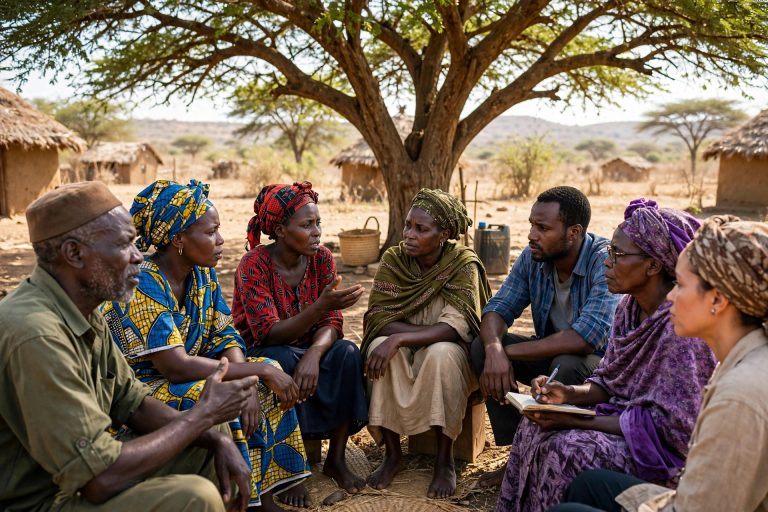
The richest part of volunteering is the relationships you build. These grow from genuine curiosity and humility, not from grand gestures. Spend time with your host family or neighbours. Accept invitations to meals, ceremonies and community events. Show interest in people’s lives beyond your project work.
Listen more than you talk, especially in the early weeks. You are a guest, and there is a great deal you do not yet understand. Ask questions with real curiosity: about farming, family, food, history and daily life. People are usually delighted to share their knowledge when they sense sincere interest.
Be patient with language barriers. Misunderstandings will happen, and humour helps. Laugh at your own mistakes, keep trying with Swahili, and do not rely on the few English speakers to translate everything for you.
Remember that you are representing not just yourself but all foreign volunteers who come after you. The impression you leave shapes how the next volunteer is received. Kindness, reliability and respect create goodwill that lasts far beyond your stay.
What Types of Volunteer Opportunities Are Available in Tanzania?
Tanzania offers a wide range of volunteer roles across many sectors. Understanding the options helps you find a placement that matches your skills and interests.
Education and Community Development Projects
Education is one of the most common areas for volunteers, and the need is real. You might assist teachers in primary or secondary schools, support after-school tutoring, help with English language practice, or contribute to school libraries and learning materials. Digital literacy is a growing area: many schools welcome volunteers who can help students and teachers make better use of computers and the internet.
Community development projects take many forms, from supporting women’s savings groups to helping youth cooperatives with basic business skills. These roles often suit volunteers with backgrounds in administration, marketing or finance. To understand what education support looks like in practice, you can read more about education support programmes in Tanzania.
The key in all these roles is to support, not replace, local professionals. A volunteer English assistant who works alongside a Tanzanian teacher adds value; a volunteer who takes over the class and sidelines the teacher does not. Always position yourself as a helper and a learner.
Health, Environment, and Social Support Initiatives
Health-related volunteering ranges from community health awareness campaigns to administrative support for clinics. Topics like hygiene, nutrition, malaria prevention and maternal health are common focuses of outreach work. Note that hands-on clinical roles should only be undertaken by qualified medical professionals with proper registration and supervision.
Environmental volunteering is growing in importance as communities face challenges like deforestation, soil erosion and waste management. Tree planting, community clean-ups and environmental education in schools are typical activities. These projects often combine practical work with awareness raising, which makes them satisfying for volunteers who like to see visible results.
Social support initiatives include work with vulnerable groups, youth mentorship and community empowerment programmes. These roles demand sensitivity and patience, but they can be among the most meaningful. Learn more about how community health programmes in Tanzania create lasting change through local partnerships.
Whatever sector you choose, ask how your role continues after you leave. The best programmes design volunteer contributions as part of an ongoing effort, so your weeks of work add to something larger rather than ending when you board your flight home.
How to Prepare for Your Volunteer Experience in Tanzania
Good preparation separates a smooth placement from a stressful one. The weeks before departure are your chance to set yourself up for success.
Essential Packing Checklist for International Volunteers
Pack light but thoughtfully. Tanzania’s climate varies by region and season, so research the weather for your specific destination and time of year. Essentials include:
- Lightweight, modest clothing suitable for warm weather, plus a warm layer for cool evenings in highland areas.
- Comfortable closed shoes for project work and sandals for daily wear.
- A reusable water bottle, a headlamp or torch, and a basic first aid kit.
- Sunscreen, insect repellent and any prescription medicines.
- An unlocked mobile phone so you can buy a local SIM card on arrival.
- Copies of all important documents, stored separately from the originals.
- Small gifts from home for your host family, such as photos, postcards or local specialities. Keep gifts modest to avoid creating awkward expectations.
- Teaching or project materials if relevant to your role, though check first what is already available locally.
Avoid overpacking. Most everyday items are available in Tanzanian towns, often at lower prices than at home, and buying locally supports the economy.
Skills, Mindset, and Expectations Before Arrival
The most important thing you pack is your mindset. Arrive expecting to learn rather than to teach, to support rather than to lead. The volunteers who thrive are flexible, patient and comfortable with uncertainty. Plans will change, schedules will shift and things will not work the way they do at home. That is normal, and fighting it only creates frustration.
Set realistic expectations about your impact. In a few weeks or months, you will not transform a community, and anyone who promises you will is selling a fantasy. What you can do is contribute reliably to ongoing work, build genuine relationships and leave behind skills or resources that local people can continue to use.
Learn some Swahili before you go. Even basic greetings and phrases earn enormous goodwill and make daily life far easier. Free apps and online resources are widely available, and a few weeks of practice before departure makes a real difference.
Finally, prepare yourself emotionally. You will encounter poverty, and it may affect you deeply. The healthiest response is not pity but respect: respect for people’s resilience, dignity and agency. Your role is to stand alongside communities as they shape their own futures, not to rescue anyone.
If your interest extends beyond volunteering to deeper collaboration, companies and organisations can also explore how to partner with an NGO in Tanzania for longer-term impact.
FAQ About Volunteering in Tanzania
How much does it cost to volunteer in Tanzania?
Costs vary widely depending on the programme, the length of your stay and what is included. Most organised programmes charge a fee covering accommodation, meals and local support, and you will also need to budget for flights, visa fees, travel insurance, vaccinations and personal spending. No reputable source can give you a single figure, so ask each organisation for a full breakdown of what their fee covers and what you must pay separately. Always build a contingency buffer into your budget.
Do I need a visa to volunteer in Tanzania?
Most foreign nationals need some form of entry permission, and volunteering generally requires a different arrangement from ordinary tourism. Do not assume a tourist visa covers organised volunteer work. Because immigration rules change and requirements differ by nationality, check the current requirements with the Tanzanian embassy or consulate in your country, or with Tanzania’s official immigration sources, before you travel. Your host organisation should also advise you, and you should be cautious of any programme that tells you to arrive as a tourist and work without proper permission.
What is the best time of year to volunteer in Tanzania?
Tanzania can be visited year-round, but conditions vary. The long rains typically fall from March to May and the short rains from October to December, which can make rural travel more difficult. The dry months are often the most comfortable for project work and travel. Consider also the school calendar if you plan to work in education, since placements in schools naturally follow term times. There is no single perfect month, so choose timing that suits your schedule and your host organisation’s needs.
How can I find a trusted volunteer organization in Tanzania?
Start by looking for Tanzanian-led organisations with a clear mission, transparent finances and local staff in leadership roles. Check how long they have been operating and whether they can put you in touch with past volunteers. Ask the detailed questions listed earlier in this guide about programme design, fees and safeguarding. Be cautious of programmes that cannot explain where your fee goes, that promise dramatic impact in a short time, or that seem designed around the volunteer’s experience rather than community needs. Organisations like Rafiki Elimu Society, which are rooted in the communities they serve, are a good example of the community-based approach to look for.
Final Thoughts: Making a Positive Difference Through Volunteering in Tanzania
Volunteering in Tanzania is not about changing the world in a fortnight. It is about showing up with humility, working alongside local people, and contributing your time and skills to efforts that communities themselves have chosen. The volunteers who make a real difference are the ones who listen first, respect local leadership, and understand that they are guests in someone else’s story of change.
If you take one message from this guide, let it be this: choose your programme as carefully as you would choose a job. Ask hard questions, check the answers, and commit only to organisations that put communities first. Do that, and your time in Tanzania will reward you far beyond anything you give.
Ready to take the next step? Explore volunteering opportunities with Rafiki Elimu Society at rafikielimu.or.tz and start a conversation about how your skills could support education, health and community development work across Tanzania. Karibu sana: you are warmly welcome.