Book Appointment Now

Rafiki Elimu Society: Empowering Tanzania
Across Tanzania, from busy towns to quiet rural villages, ordinary people are doing extraordinary things to lift their neighbours. One organisation working at the heart of this movement is Rafiki Elimu Society, often known as RESO. Its mission is simple to state and serious to deliver: empowering communities through education, health, development, and care for the environment.
Its work focuses on four areas that shape everyday life: education support that keeps children learning, community health outreach, skills training for young people, and environmental action, all planned together with the communities themselves.
The Story Behind Rafiki Elimu Society and Its Mission to Empower Communities
RESO is a Tanzanian non-profit organisation built on a clear belief: lasting change comes from within communities themselves. The name says a great deal about its purpose. “Rafiki” means friend in Swahili, and “elimu” means education. Together they capture the organisation’s identity: a friend to communities, working alongside them to open doors through learning.
Like many community-based organisations in Tanzania, RESO exists because its founders saw needs that were not being met. Children who wanted to stay in school but lacked learning materials. Families who needed health information but had no one to provide it. Young people with energy and ideas but few opportunities to build skills and earn a living. The society’s response was not to arrive with ready-made answers, but to listen first and then work with communities to shape solutions they could own.
The mission of RESO, empowering communities, runs through everything it does. Rather than treating communities as beneficiaries waiting for help, RESO treats them as partners. Local knowledge is respected. Local leadership is encouraged. Projects are designed to keep working long after outside support moves on. That philosophy is what separates a genuinely community-based organisation from one that simply delivers aid from a distance.
Tanzania faces development challenges that are well documented by national surveys and international agencies. Access to quality education remains uneven between urban and rural areas. Health services are harder to reach outside major towns. Young people entering the workforce need practical skills to find or create employment. Environmental pressures, from deforestation to waste management, affect daily life in growing settlements. RESO was formed to respond to these realities in practical, locally grounded ways.
How Rafiki Elimu Society Supports Education and Creates Opportunities for Learners
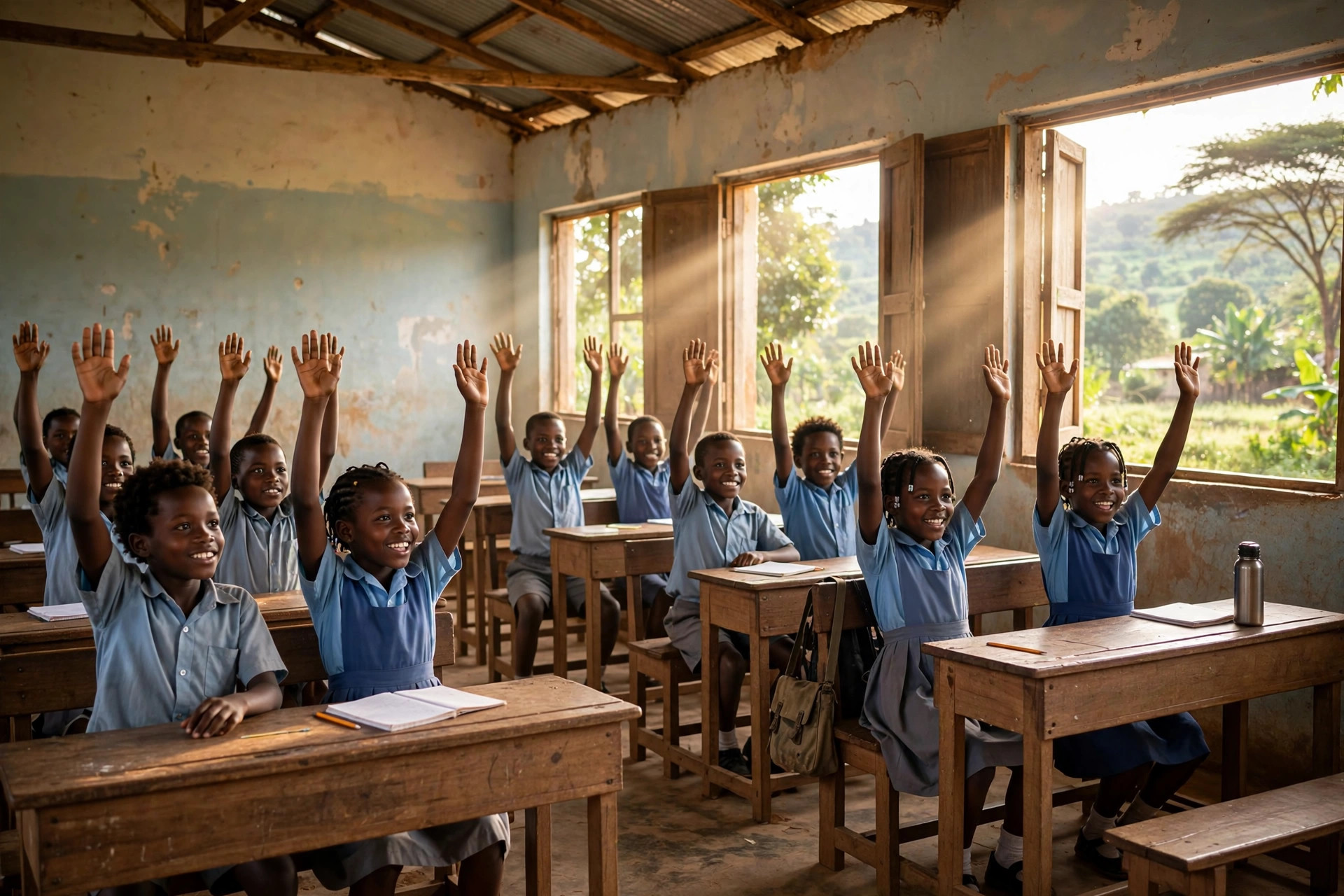
Education sits at the centre of the organisation’s work. RESO understands that schooling is one of the most powerful ways to change a family’s future, and it supports learning at several levels, from helping children stay in school to strengthening the environments where learning happens.
Expanding Access to Quality Education for Underserved Communities
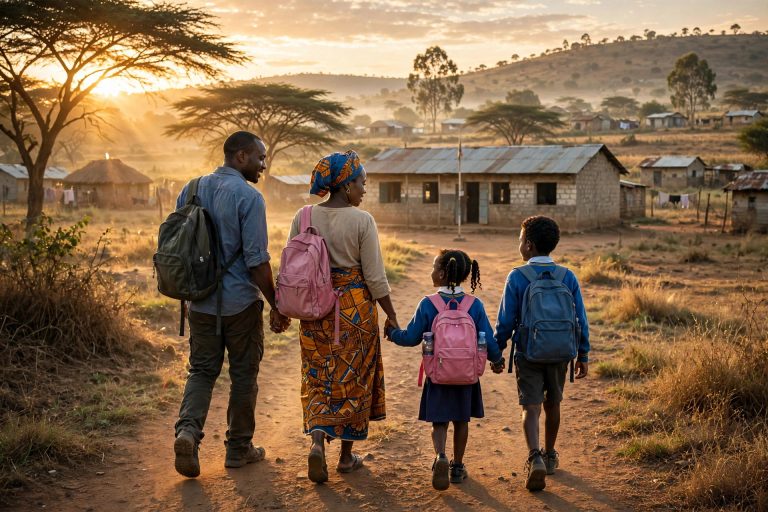
Not every child in Tanzania starts with the same advantages. Some walk long distances to school. Some miss classes because their families cannot afford the extra costs that come with schooling, such as uniforms, books, and examination fees. Others attend schools where classrooms are overcrowded and resources are thin.
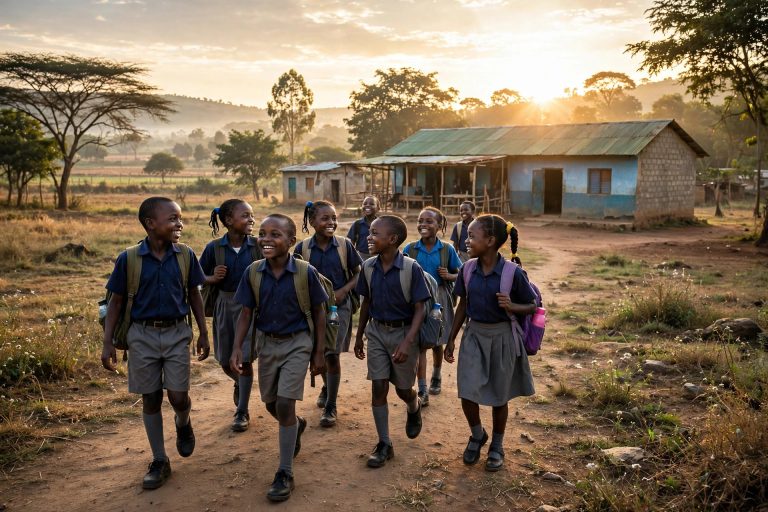
RESO works to reduce these barriers. Its education support efforts focus on helping children, especially those from vulnerable households, remain enrolled and engaged in learning. This can mean helping families cover school-related costs, supplying learning materials, or connecting children with encouragement and mentoring that keeps them motivated. The aim is not charity for its own sake, but practical support that keeps a child in the classroom where their future is built.
Supporting Children, Schools, and Lifelong Learning Initiatives
Beyond individual learners, RESO supports the wider learning environment. Schools do better when teachers have what they need and when communities take an active interest in how their schools perform. The society encourages that community involvement and supports initiatives that improve the conditions for learning, from study resources to safe and supportive school environments.
Learning does not end with the school bell either. Lifelong learning matters for adults who missed out on formal education and for young people who want skills beyond the classroom. RESO’s broader education work recognises this, supporting opportunities that help people of all ages keep learning, whether that means literacy support, vocational skills, or practical knowledge that improves daily life.
The Role of Education Support in Building Tanzania’s Future
Education is not only a personal benefit. When more children complete their schooling, whole communities gain. Educated young people are better equipped to earn an income, make informed health decisions, and participate in civic life. Girls who stay in school marry later, earn more, and raise healthier families. These are among the most widely established findings in development research, and they explain why education support is central to RESO’s strategy.
By investing in learning, RESO is investing in Tanzania’s future workforce, its future leaders, and its future parents. Every child who stays in school because of practical support becomes part of a generation that can demand more and achieve more for the country.
Improving Community Health Through Awareness and Local Support Programs
Health and education are closely linked. A child who is unwell cannot concentrate in class. A family weighed down by preventable illness cannot focus on improving its livelihood. RESO therefore treats community health as a natural companion to its education work.
Promoting Health Education and Preventive Care in Communities
Much of the health burden in underserved communities comes from conditions that are preventable with the right knowledge. Awareness of hygiene, sanitation, nutrition, and disease prevention can transform outcomes at very low cost. RESO’s health work emphasises this kind of practical health education, delivered in ways that communities can understand and act on.
Workshops and awareness sessions give people clear, usable information about looking after their health and the health of their families. Topics can include clean water and safe food handling, the importance of vaccinations and regular check-ups, maternal and child health, and recognising when to seek professional care. The goal is to put knowledge directly into people’s hands so they can protect themselves and their children.
Strengthening Community-Based Health Solutions
Sustainable health improvements depend on local capacity, not just visiting programmes. RESO works to strengthen the community structures that support good health over time. This means engaging local health providers, training community members to share health knowledge, and building networks through which health information keeps flowing.
When communities understand their own health needs and know where to find help, they become more resilient. Illnesses are caught earlier. Preventive habits become part of daily life. And the community gains confidence in its ability to look after its own wellbeing, which is the true measure of a successful health programme.
Rafiki Elimu Society’s Approach to Community Development and Social Impact
Community development is the thread that connects everything RESO does. The society understands that education and health programmes work best when they are part of a wider effort to strengthen communities economically and socially.
Empowering Local Communities Through Skills and Resources
One of the most direct ways to fight poverty is to help people build the skills and resources they need to earn a living. RESO supports community development initiatives that encourage practical skills, small-scale enterprise, and income-generating activities. Young people in particular benefit from training that connects them to real economic opportunities.
The emphasis is always on empowerment rather than dependency. The aim is for individuals and groups to gain the ability to support themselves, make decisions about their own development, and pass what they learn on to others. When a young person learns a trade, or a women’s group starts a small enterprise, the benefits ripple outward through the whole community.
Encouraging Sustainable Growth and Community Participation
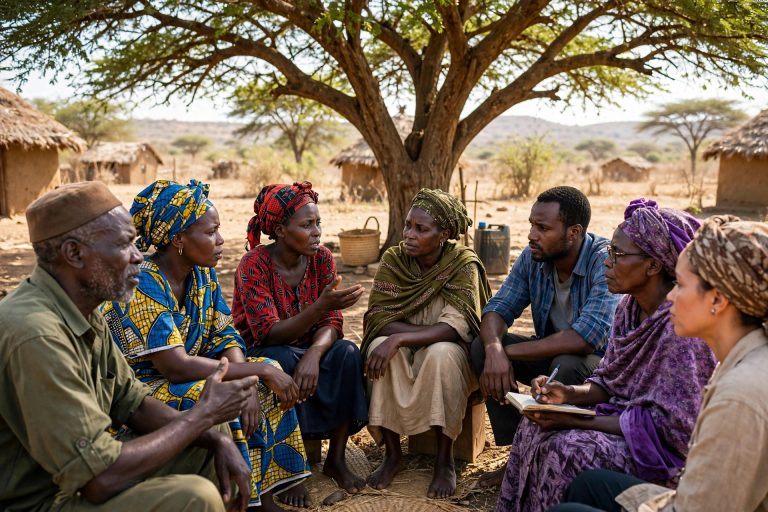
Real development is not something done to communities. It is something communities do for themselves, with support where needed. RESO actively encourages community participation in planning and decision-making, because projects designed with local input are far more likely to survive and succeed.
This participatory approach builds more than projects. It builds confidence, leadership, and social cohesion. People who have planned and delivered something together are better placed to tackle the next challenge, and the next. Over time, this creates communities that are not waiting for help but are driving their own progress.
Protecting the Environment Through Sustainable Community Action
Tanzania’s natural environment is one of its greatest assets, and also one of its most pressured. Growing populations, expanding settlements, and changing weather patterns put strain on forests, water sources, and farmland. RESO recognises that environmental care is part of community wellbeing, not a separate concern.
Environmental Awareness and Conservation Initiatives
Protecting the environment starts with understanding it. RESO supports environmental awareness efforts that help communities see the connection between their daily habits and the health of their surroundings. Tree planting, waste management, and conservation of local natural resources are practical activities through which communities can take direct action.
These initiatives also create opportunities for young people to lead. When a school or youth group plants trees or organises a clean-up, they are learning responsibility, teamwork, and stewardship of shared resources. Those lessons last far longer than any single project.
Building Climate-Resilient Communities in Tanzania
Communities that depend on farming and natural resources feel climate pressures directly. Unpredictable rainfall, longer dry spells, and land degradation affect food security and livelihoods. Building resilience means helping communities adapt: protecting water sources, practising sustainable land use, and diversifying income so that one bad season does not become a crisis.
RESO’s environmental work is therefore practical and community-led. It is about giving people the knowledge and tools to protect the environment they depend on, so that development today does not come at the cost of tomorrow.
How Rafiki Elimu Society Creates Opportunities for Volunteers, Donors, and CSR Partners
A community-based organisation cannot do this work alone. RESO welcomes support from people and organisations who share its mission, and it offers several meaningful ways to get involved.
Ways International Support Can Strengthen RESO’s Programs
For international supporters, contributing to a locally led organisation like RESO means your support goes directly to people who understand the context and know what works. Donations help fund education support, health awareness, community development, and environmental initiatives. Because the organisation is rooted in the communities it serves, it can direct resources where they will have the most practical effect.
If you are considering giving, it is worth reading a practical guide on how to donate to charity in Tanzania so you can give with confidence and understand how to verify an organisation before you contribute.
Volunteers also play an important role. Whether you are a teacher, a health worker, a student, or a professional with skills to share, there are ways to contribute your time and knowledge. Volunteering with a community-based organisation offers something that larger programmes often cannot: direct, personal connection with the people whose lives you are helping to improve. Before you travel, read up on volunteering in Tanzania and the things to know before you go so your experience is safe, ethical, and genuinely useful.
Partnering With a Tanzanian NGO for Long-Term Impact
Companies and institutions can also make a difference through corporate social responsibility partnerships. Partnering with a Tanzanian NGO gives businesses a credible, locally grounded way to invest in communities, whether through funding education projects, supporting health initiatives, or engaging employees in volunteer programmes.
For companies exploring this route, a broader look at education NGOs in Tanzania can help put partnership options in context and show how different organisations contribute to the country’s development.
The Impact of Rafiki Elimu Society: Empowering Communities Across Tanzania
It is important to be honest about how impact works in community development. Real change is gradual, and it is measured in lives and livelihoods rather than headlines. RESO’s impact is best understood through its approach: children supported to stay in school, families equipped with health knowledge, young people gaining skills, communities taking charge of their own development, and local environments protected by the people who live in them.
This kind of work does not produce overnight transformations. What it produces is something more durable: communities that are stronger, more knowledgeable, and more capable than they were before. A child who completes school because of practical support. A mother who knows how to keep her family healthy. A young person who can earn a living and teach others to do the same. These are the building blocks of lasting development, and they are the outcomes RESO works toward every day.
The organisation’s community-based model also multiplies impact. When knowledge and skills are shared within a community, they spread. A health workshop attended by thirty people can change habits in thirty households. A skills training programme can seed small enterprises that employ others. This is how locally led organisations achieve results that reach far beyond their direct participants.
Why Rafiki Elimu Society’s Community-Based Model Matters for Tanzania’s Future
There are many ways to support development in Tanzania, and not all of them are equal. Large international programmes have resources, but they can be distant from the realities on the ground. RESO represents a different and important model: local people, local knowledge, local leadership.
This matters for several reasons. First, local organisations understand context. They know the languages, customs, and practical realities of the communities they serve, which means their programmes are more likely to fit and to last. Second, they build local capacity. Every project that involves community members in planning and delivery leaves skills behind. Third, they are accountable to the people they serve, because those people are their neighbours, not distant beneficiaries.
Tanzania’s future depends on strong communities that can educate their children, protect their health, earn their living, and care for their environment. Organisations like RESO exist to help build exactly those communities, one partnership at a time. Supporting them is not charity in the old sense. It is an investment in a model of development that works because it is owned by the people it serves.
Frequently Asked Questions About Rafiki Elimu Society
What is Rafiki Elimu Society and what does RESO do?
Rafiki Elimu Society, known as RESO, is a Tanzanian non-profit organisation whose mission is empowering communities. It works across four main areas: education support, community health, community development, and environmental care. Its approach is community-based, meaning it works with local people to design and deliver programmes they can sustain themselves.
How can donors support RESO’s programs?
Donors can support RESO’s work through financial contributions that fund education support, health awareness, community development, and environmental initiatives. Because the organisation is locally led, donations go directly to programmes shaped by people who understand the communities they serve. Prospective donors should always verify an organisation’s registration and transparency before giving, and should look for clear information about how contributions are used.
How can volunteers partner with RESO in Tanzania?
Volunteers can contribute their time and skills to RESO’s programmes, whether in teaching, health awareness, community development, or environmental activities. The organisation welcomes both local and international volunteers. International volunteers should prepare properly, understanding visa requirements, cultural expectations, and what ethical volunteering means, so their contribution is genuinely helpful to the communities involved.
If you would like to learn more about RESO and its mission of empowering communities, visit rafikielimu.or.tz. Whether you choose to donate, volunteer, or partner with the organisation, your support helps Tanzanian communities build stronger, healthier, and more hopeful futures.